Restaurant Water Extraction
Restaurant Water Removal
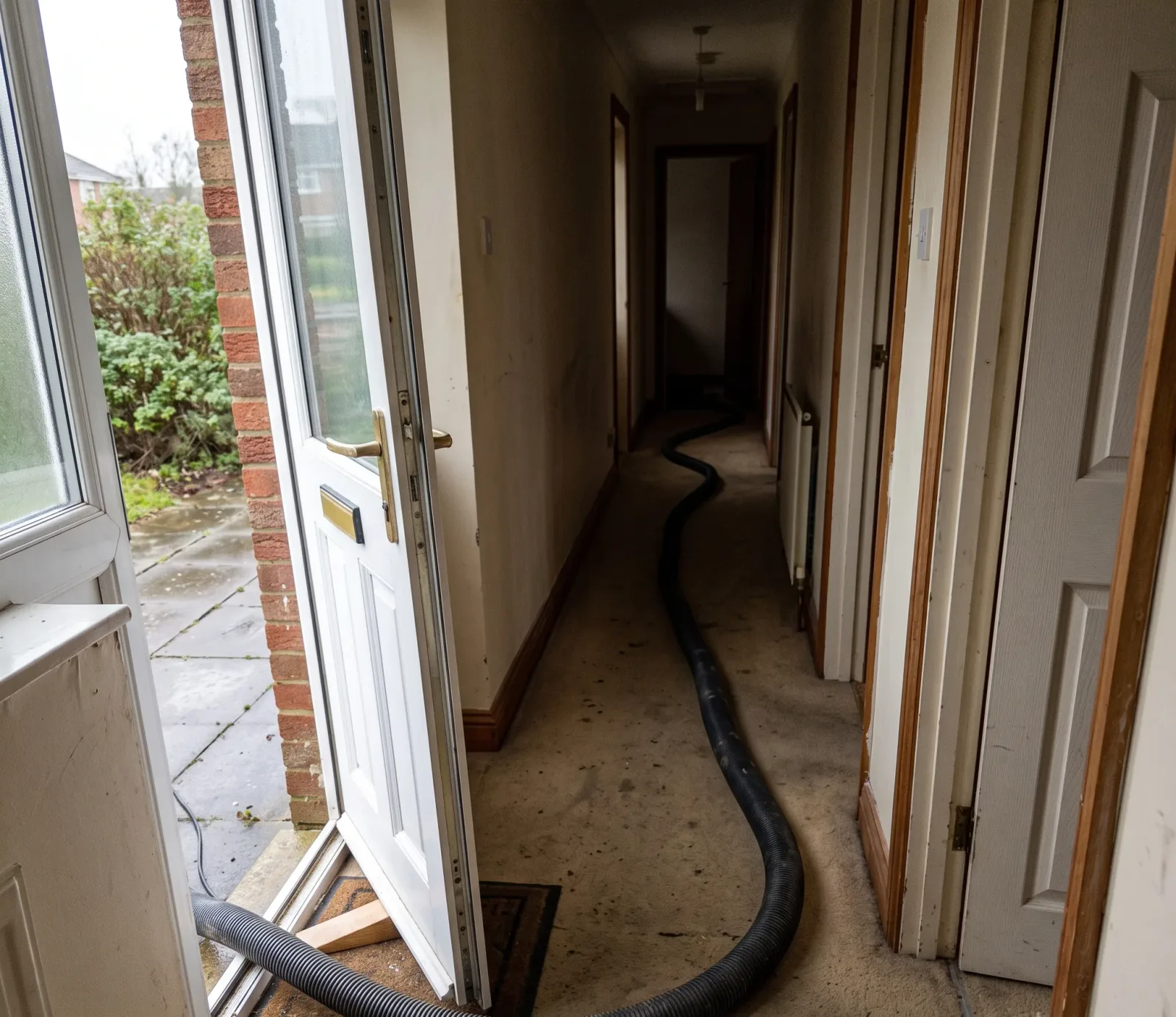
Plan healthcare water extraction around safe entry, care routes, and a clearly bounded removal area.
Photos of affected surfaces can give the licensed pros we connect you with a clearer view of the extraction area. In Lakeville, note affected materials with clinical operations, then ask the pros we connect you with to define extraction scope and explain which drying or restoration steps remain.
In Lakeville, healthcare water extraction planning starts with who can authorize entry and pause nearby activity. Bring facilities staff and clinical operations together before setting the work boundary. They can identify rooms where care continues, spaces that can close, and routes that must remain open. This matters because water removal equipment and workers need room to operate. A hospital water removal plan should fit the way patients, staff, and supplies move through the building. Ask the pros we connect you with to discuss those limits before work begins.
Set the work window around care tasks, shift changes, deliveries, and room turnover. In Lakeville, a space that appears unused may still support a scheduled procedure or provide access to another service. Clinical operations can flag those conflicts; facilities staff can identify when equipment can enter and where it can be staged. Keep the proposed hours, room access, and any required escort in one internal plan. This gives the provider a clear operating window and helps your team spot a schedule that could disrupt care.
Lakeville includes familiar places such as Orchard Lake and Lake Marion, but a facility plan must describe its own interior. Use the room names and access points your staff recognize. State where water is visible and which nearby spaces need review. Avoid treating a city reference or exterior landmark as evidence about the affected building. The pros we connect you with need practical directions for reaching the approved work area. Confirm who will meet them and how staff can reach that contact if access changes.
Note affected equipment so facility personnel can include it in their safety review. In Lakeville, have qualified facility personnel assess electrical safety before anyone enters the affected area. Do not ask clinical staff or an extraction provider to judge an uncertain electrical condition by appearance. The restriction matters because water can make equipment or a floor unsafe to approach. Once facility personnel clear access, tell the provider which route is approved and whether power must remain isolated during removal.
Some rooms need controls for privacy, security, or continuous care. In Lakeville, clinical operations can decide whether entry requires an escort, a closed door, or a pause between patient activities. Facilities staff can identify equipment that cannot be moved or disconnected without approval. Put those conditions into the work arrangement before arrival. A clear boundary protects patient activity while giving the provider enough space to remove water. Revisit it if care needs change or the affected area expands.
| Area | Access notes | Work limits |
|---|---|---|
| Site lead | Facilities representative | Names who can approve access and work limits |
| Entry point | Approved staff entrance | Share check-in steps and any escort needs |
| Care boundary | Rooms that must remain undisturbed | Mark areas staff should keep closed to work |
| Equipment route | Clear path through the facility | Keep carts and hoses out of patient circulation |
| Work barrier | Separation from occupied rooms | Agree where barriers can stand without blocking care |
| Map context | Lakeville; Antlers Park; Orchard Lake; South Creek | Use local references for orientation; confirm the facility address |
| Removal limits | Visible standing water in agreed areas | Confirm which rooms and surfaces the extraction scope includes |
| Next step | Moisture review after extraction | Set separate plans for drying, cleaning, or restoration |
Describe the affected area in terms your facility uses: room identifiers, floor, corridor, and adjoining service spaces. In Lakeville, South Creek is a local place name, but it does not define an indoor work boundary. Your own floor plan or room list can show where staff should restrict access and where care continues. Ask facilities and clinical operations to agree on the same description. That shared outline helps prevent a room from being omitted or included without the right operational approval.
Tell staff how they will learn when a boundary changes. In Lakeville, the facility can use its normal approved handoff or internal notice process to identify restricted rooms and routes. The message should name who may update the status and who needs that update. This matters when a route closes or a room becomes available during a shift. Keep the message focused on access and operating status. Questions about records requested by an insurer or inspector can go to your compliance contact.
Plan how people and equipment will pass the work area without crossing patient movement or supply routes. In Lakeville, facilities staff can identify an alternate path or a time when a corridor can be controlled. A hose, cart, or wet floor can affect movement even when the water itself occupies little space. Make the route part of the access discussion with clinical operations and the provider. If no safe route is available, hold that portion of the work until the facility can set one.
Ask what equipment the provider expects to use and what clear space it needs. In Lakeville, a pump or wet vacuum may collect pooled water, but staging and moving it can affect nearby rooms. Facilities staff can identify doors, lifts, or storage areas that require advance access approval. The provider can then explain whether the proposed route and work area fit the removal task. Keep equipment placement separate from decisions about drying, which may need its own space and operating window afterward.
Choose one facility contact to receive updates about arrival, access limits, and changes in the work area. In Lakeville, that person can relay approved changes to clinical operations and facilities staff. Agree who can authorize a revised boundary or work window. Without a clear path for decisions, a small change may leave staff using outdated access information. Ask the pros we connect you with to direct operational updates through the named contact, especially when patient activity affects the schedule.
Set a clear endpoint for standing-water removal in Lakeville. Visible water being collected does not establish that floors, walls, or other materials have dried. Ask whether moisture assessment and drying equipment need separate planning after extraction. Keep cleaning, source repair, and restoration as distinct work scopes. This distinction helps facility leaders plan room use without assuming that removal alone makes an area ready for care. Have the appropriate internal lead decide what further checks or approvals are needed before access resumes.
Commercial water extraction cost can change with water volume, access limits, work hours, and the space needed for equipment. In Lakeville, ask the provider to explain which site constraints affect the proposed scope. Keep any estimate or work description with the facility's own records. Your lease terms, insurer, or an inspector may ask what area was affected, when access was limited, or what work was authorized. Ask your compliance contact which records apply to your facility; do not assume one record satisfies every request.
Before arranging healthcare water extraction in Lakeville, bring facilities, clinical operations, and the relevant compliance contact together. Agree on affected rooms, approved entry, occupied-area limits, and the person who can authorize changes. Note any question about patient access or work timing that remains unresolved. Then ask the pros we connect you with to discuss the site constraints and removal scope. This preparation gives the provider a usable picture of the work while your facility retains control of its access and care decisions.
When you speak with the provider in Lakeville, ask what the removal work includes, what access it requires, and how updates will reach your contact. Ask what conditions would change the planned boundary or timing. Confirm separately whether drying, cleaning, source repair, or restoration needs another scope. For questions from a lease, insurer, or inspector, check with your facility's responsible staff about what to retain. The pros we connect you with can discuss extraction constraints; your internal leads coordinate site access and records.
Keep people out of standing water if electrical safety is uncertain. In Lakeville, a medical facility water emergency also needs a clear boundary between care space and work space. Facilities and clinical operations should decide which rooms can be entered, what routes must stay clear, and who can change those limits. A site near Grand Prairie Park or Lake Marion still needs its own access plan; nearby landmarks do not establish water risk. The pros we connect you with can discuss those constraints and define what standing-water removal covers. Drying, cleaning, and restoration need separate planning.
For a home or small business, use the linked locations to identify the relevant service area, then verify address eligibility before requesting extraction, includingSavage, Lakeville and Farmington. Before arranging a visit, ask whether assessment or travel charges apply and confirm your address is within the service area.
A warehouse estimate can reflect each extraction visit, the extent of pooled water, and how often removal is needed. $700–$1,400 offers a guide. Difficult access, continued pooling, or separate checks for damp materials can alter the work and estimate.At a Lakeville business, room count, water depth, floor access, and items to move can change the equipment and labor list, shaping the estimate. When calling, describe affected rooms, nearby machinery, access limits, and possible contamination. Give a nearby landmark, such as Commons Park or Crystal Lake, to help identify the property.Review complete cost ranges in the pricing guide; the commercial overview covers commercial water removal and what may follow for lingering moisture.
Restaurant Water Removal
Lakeville Hotels
Campus Water Removal
Have facilities staff and clinical operations agree on which rooms can be entered and who can approve access. Give the provider room names or department functions, plus any areas that must stay closed. In Lakeville, identify a staff contact who can explain a boundary if conditions change. Ask whether any equipment needs to be isolated before access begins.
Set an entry period that fits your facility’s staffing and security process. Tell the provider where check-in occurs and who can admit them. Decide in advance which staff member can adjust the window if care needs change. For a Lakeville site, ask the pros we connect you with to discuss arrival and movement constraints before scheduling. Avoid promising access to rooms that have not been cleared internally.
Extraction removes pooled water from the areas included in the agreed scope. Ask how removed water and any affected contents will be handled. Ask whether moisture assessment and drying equipment are separate work. Confirm which rooms are included and what record describes the removal. Cleaning, source repair, and restoration also require separate consideration.
A facility may continue operating only if its own staff decide the affected rooms and nearby routes can remain in use safely. Set boundaries for patients, staff, and equipment before work starts. Name who can pause or redirect activity if access needs change. The pros we connect you with can discuss the defined work area, but your facility determines whether care can continue there.
Coordinate room access and protected routes with your facility team, then ask the pros we connect you with to discuss site limits and removal scope.
Call (952) 866-9355