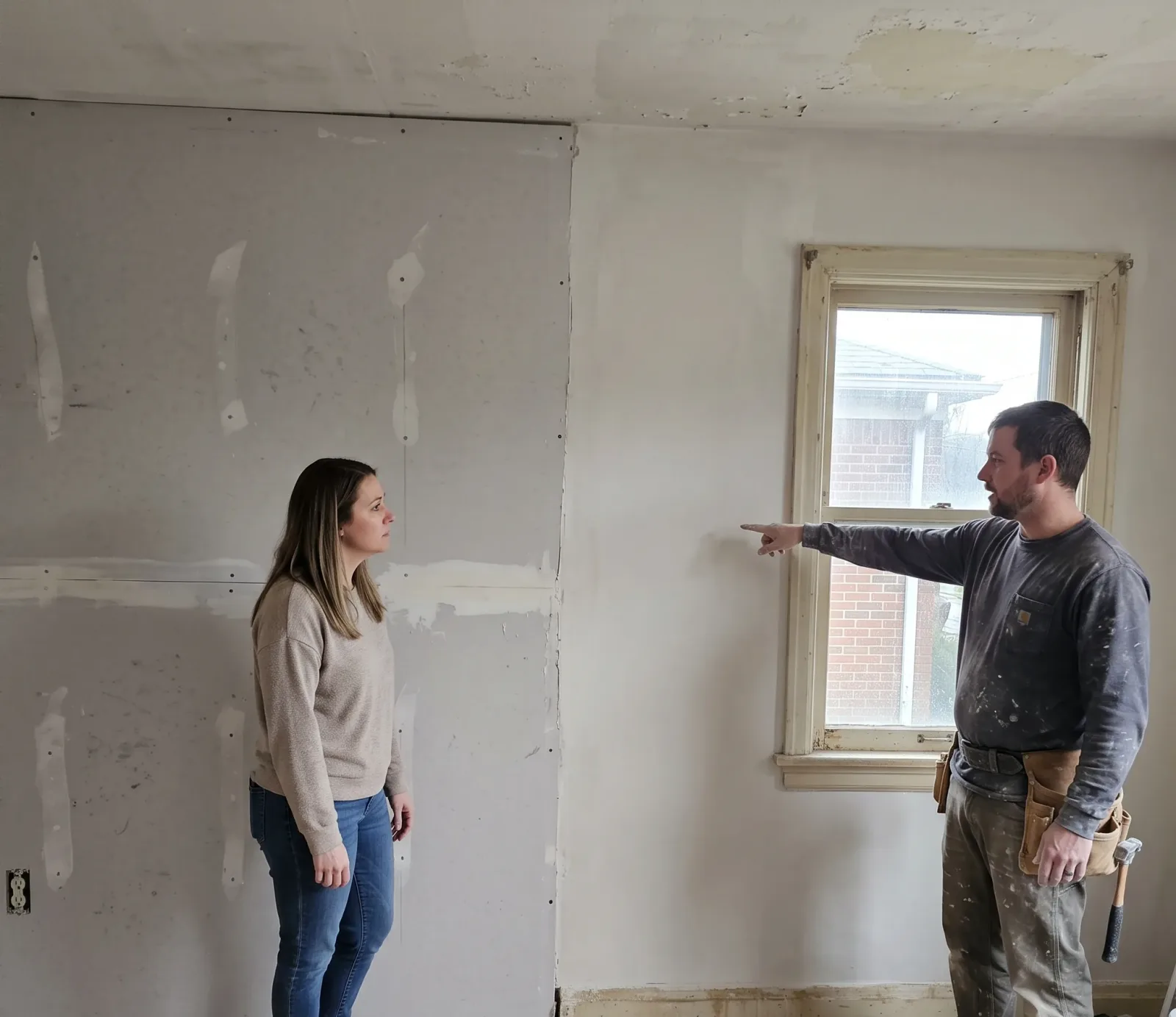
Walking Through Standing Water
Learn when standing water makes walking unsafe in a Lakeville property, what electrical and floor clues to observe, and how to keep people away.
Read article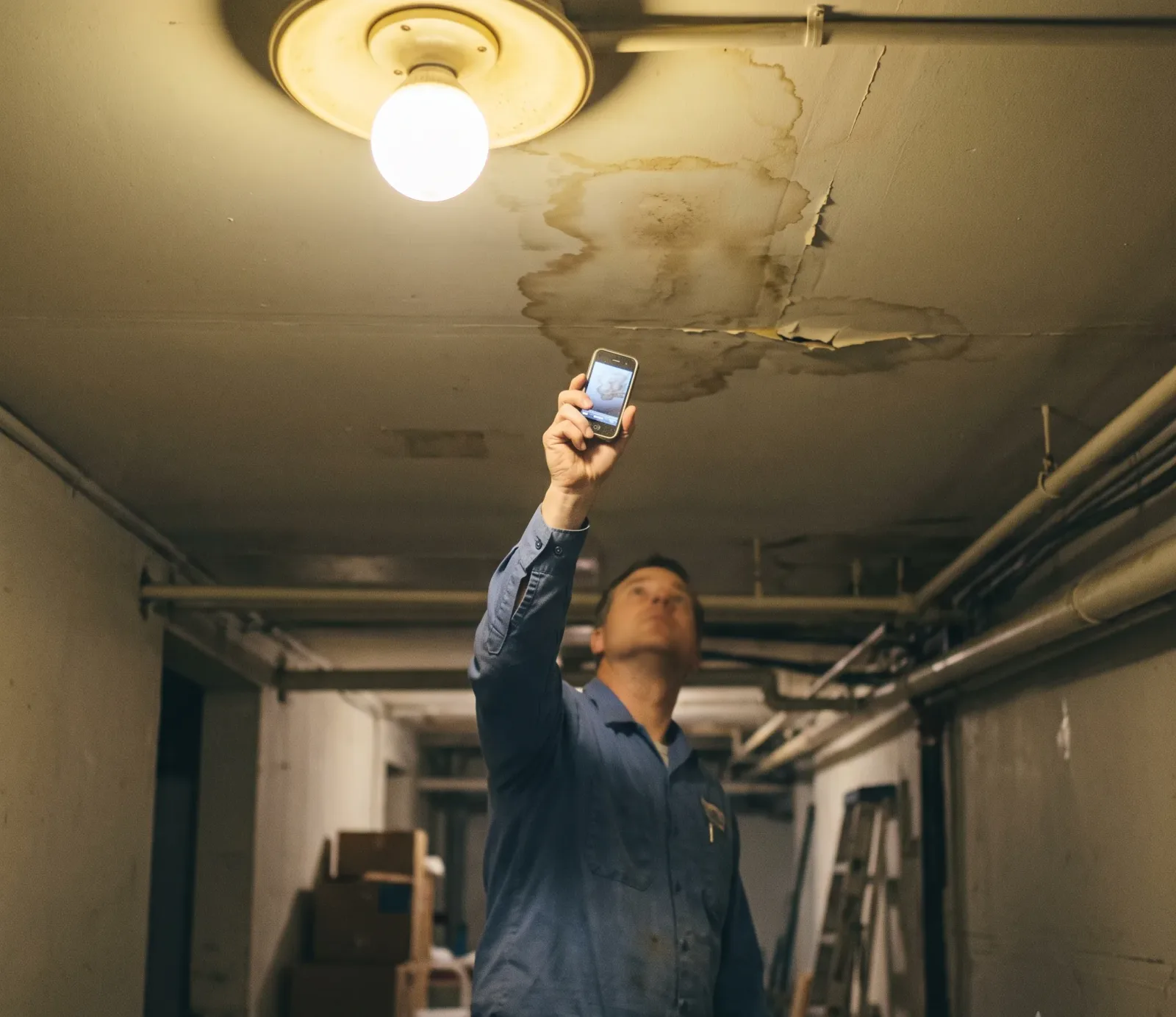
Water can move beneath flooring and collect in places that are not visible. Avoid touching damaged materials until the water source and hazards are understood. A house near Lake Marion may have water in more than one room. A small shop near Interstate 35 may need affected areas identified before removal. Start by noting where water remains and whether its source is active. The pros we connect you with can assess the area and remove pooled water. This guide explains what extraction addresses, what needs separate work, and what to ask next.
Note which areas or belongings have visible water before cleanup begins. Water may spread beyond the area where it first appears. Pumps or wet vacuums move water out, but moisture may remain in materials. A moisture check can help show where drying may still be needed. Extraction does not locate or repair the source. It also does not confirm the building is dry. What remains damp can affect which drying steps are needed. Ask for an assessment of the affected property.
For a home near Orchard Lake, note visible conditions only from a safe place. Ask which rooms and materials the removal includes, and whether moisture checks or further drying are recommended. Source repairs, sewage cleanup, mold remediation, and reconstruction have separate scopes. Ask for a clear record of the areas treated and any materials that still need attention. What remains damp after removal? Which areas were checked, and what work comes next?
Learn when standing water makes walking unsafe in a Lakeville property, what electrical and floor clues to observe, and how to keep people away.
Read article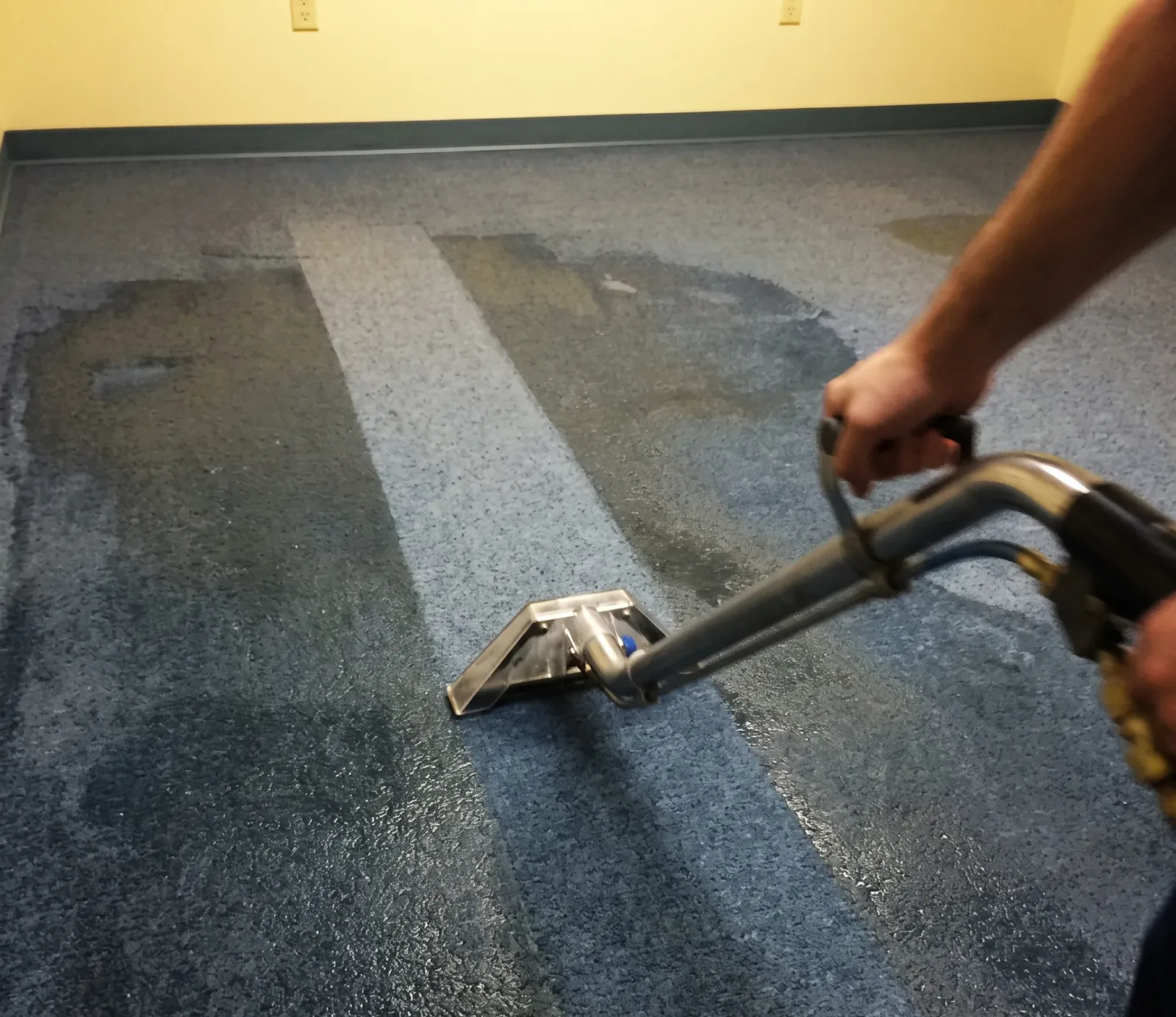
Lakeville water extraction time depends on water depth, reach, and seasonal conditions. Learn what to describe to local pros, with Lake Marion and South Creek as local context.
Read article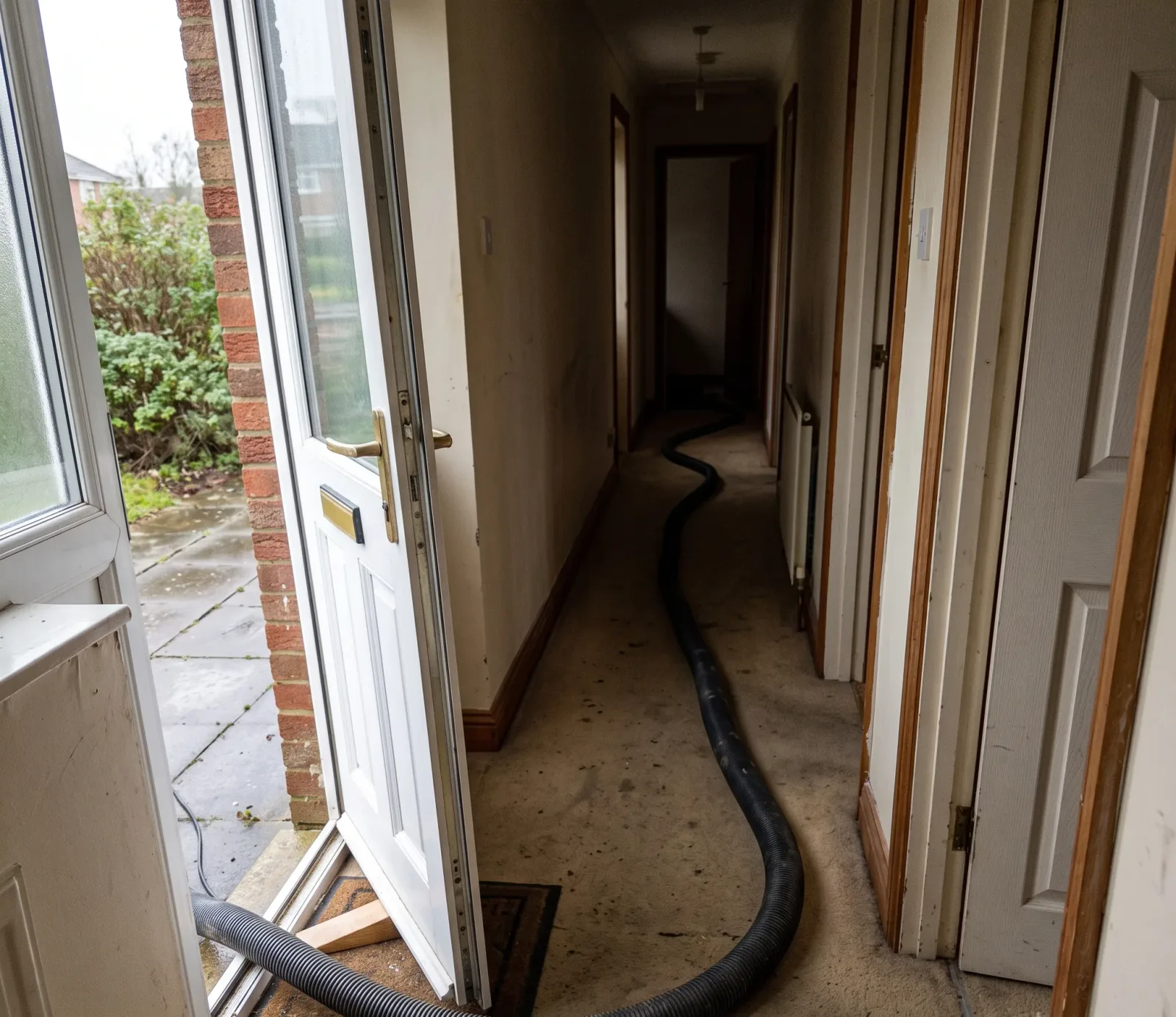
In Lakeville, a water extraction response time cannot be inferred from Lake Marion, Orchard Lake, or South Creek; timing must be confirmed with the pros we connect you with.
Read articleThis website prepares the guides using established water removal practices and verified local information. The water’s source and the materials it reaches can shape what cleanup needs to address. The pros we connect you with do not prepare the guide. Their work concerns a specific property, where removing standing water and checking for remaining moisture are separate steps.
No review date is shown, so you cannot tell when someone last checked this advice. Use it as general information about the work: standing water is removed first, and moisture checks or drying may follow. Ask the pros we connect you with when they assessed their recommendations and request a written scope that reflects your current situation. Keep that explanation with your records.
It offers Lakeville context, including local water and park features such as Lakefront Park, but those features do not establish your property's flood exposure. Conditions differ by address and building. To learn what applies at your property, check its location on an official flood map and review your policy for water damage terms. A city name alone cannot determine either your flood status or insurance coverage.
Guides can help you understand the difference between visible water and moisture left in building materials. For a Lakeville home or small business, the actual removal plan depends on what is present at the property. Explain what you know about the intrusion and ask whether a visit is available, when it might happen, and what charge applies. Have the pros we connect you with describe the extraction work in writing. Ask whether affected contents need to be moved before work begins.
Call (952) 866-9355