Where Hidden Moisture Can Travel
Lakeville’s cold winters and spring snowmelt are relevant conditions when water appears indoors. The city also documents lakes, wetlands, and watersheds. These local features give community context; they do not establish conditions at an individual home.
Lake Marion, Orchard Lake, and South Creek are documented Lakeville water features. Their presence helps place a home in its local setting, while the cause and spread of indoor water still depend on the property. Interstate 35 is another local reference point, not a measure of water exposure.
Two homes in Lakeville and Dakota can share similar postal details yet fall under different service coverage. The full property address helps the pros we connect you with check whether extraction is available at that specific location.
How Water Leaves the Space
- DIY FIT
- Towels or a wet vacuum can collect a small, clean spill on a safe, smooth surface.
- MATERIALS
- Water reaching carpet, trim, or another material may extend beyond what household equipment can collect.
- CAPACITY
- Pumps move pooled water; wet vacuums collect liquid through a hose. Both are extraction tools.
- WATER TYPE
- A written scope can identify the areas included and separate extraction from repair or other work.
- NEXT STEP
- The licensed pros we connect you with can assess damp materials, explain what may need drying, and outline practical next steps for cleanup.
- DRYING STAGE
- Weather can add moisture from outside, while a plumbing leak can begin indoors. Seasonal conditions alone do not show which materials are affected; the water source, route, and surfaces determine the removal scope.
- ESTIMATE DETAIL
- an estimated $250–$1,300
Deciding When a Wet Area Is Unsafe
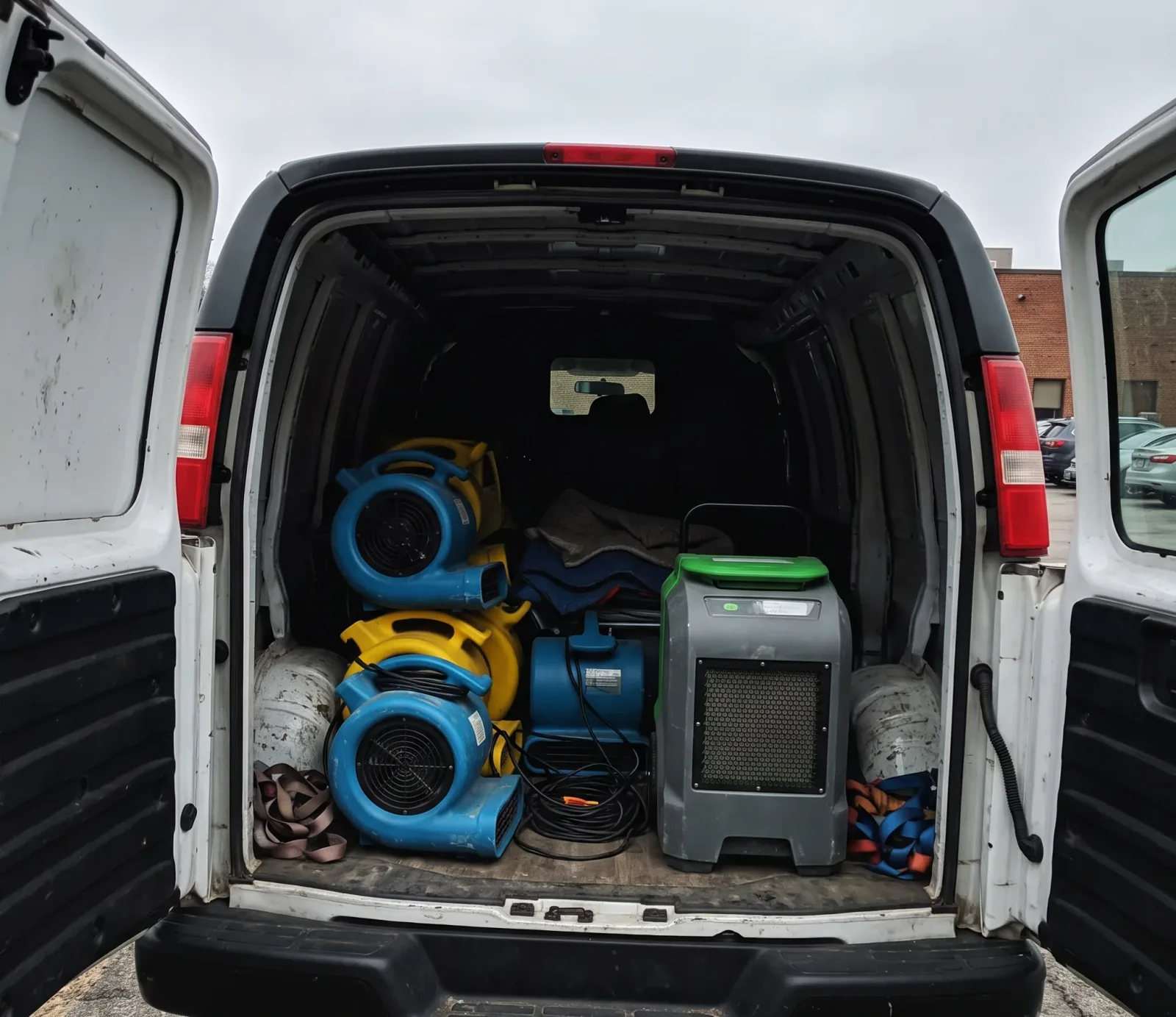
Shop vac water removal uses a tank and hose to collect reachable liquid. Professional extraction may use pumps or wet vacuums for affected areas, while moisture assessment addresses what may remain in materials. A shop vac has a collection tank and hose; a pump moves pooled water through a discharge line. Both are extraction tools. Air movers support drying after collection, so ask which task and equipment the written scope covers.
Following Water Toward Collection
The professional first discusses the water source and identifies affected rooms, materials, and access limits. The removal method depends on the water and surface: pumps can move pooled water, while wet vacuums collect it through a hose. Electrical or contamination concerns can change the work scope.
The pros we connect you with can document affected rooms, visible changes, and moisture readings. Those details help define which materials need further attention and give you a record to share with your insurer. Ask for the written scope and which areas it covers.
Water can remain beneath flooring after the visible surface has dried. A longer plan makes sense when moisture checks point to damp floors or other materials needing attention afterward. Ask the pros we connect you with what marks the end of removal and what work follows.
WHEN POOLED WATER IS GONE, MATERIAL CHECKS STILL MATTER
| Access Conditions |
Water Level Review |
|---|
| Indoor pooling after water enters | Confirm availability |
| Water collecting again after pump-out | Keep work records |
| Several disconnected surfaces under water | Water lifted; drying follows |
PAYMENT DECISIONSMinnesota has no state credential specific to water extraction alone. Ask the provider to describe the work and itemize extraction separately from any repair work. A written scope and invoice can help you identify what was included and share those details with your insurer.
What Water Can Leave Within Building Materials
Water can work into flooring seams and swell layers beneath the surface. As materials change shape, edges may lift and sections may need removal or replacement. A repair scope can then extend beyond collecting pooled water, so document the affected areas and ask what work is included.
South Creek and Orchard Lake Do Not Set Home Risk
For a small, clean spill on a safe hard surface, collect reachable water with towels or a wet vacuum. Keep people and pets away from the wet area. If the water is spreading, reaches building materials, or may be unsafe, stop and contact an independent local pro for guidance.
Structural Damage Can Limit Access
Water from a drain backup or chemical spill needs a different cleanup scope from a clean supply leak. Avoid contact with affected materials, and keep children and pets away. Avoid using cleaning products until the water source is known. In Lakeville, do not assume that visible surface water tells you what the water contains.
See How Water Removal Fits The Affected Space
Describe the wet area, water depth, and obstacles to bringing equipment inside; have the pros we connect you with explain what their estimate includes.Lakeville estimates should describe the affected area, amount of standing water, access, and removal work; no local price band is verified. Ask whether moisture checks or drying are included. Ask whether moving furniture away from wet areas is included in the cleanup scope. Ask the pros we connect you with to put any visit charge and exact work in writing before scheduling.The pricing guide sets out cost ranges alongside conditions that can shift the work total.